
In the rapidly evolving field of aesthetics, the key to standing out lies not just in possessing fundamental skills but in embracing the art and science of aesthetics training. This journey begins with a commitment to understanding the nuances of skin care and extends to mastering a range of techniques that ensure clients receive the highest standard of care. As we delve into the essential skills every aesthetic practitioner should master, it’s important to recognise that excellence in this field is built on a foundation of knowledge, precision, and a deep commitment to client well-being.
Read through this blog to learn more about the essential skills needed to succeed as an aesthetic practitioner within the UK.
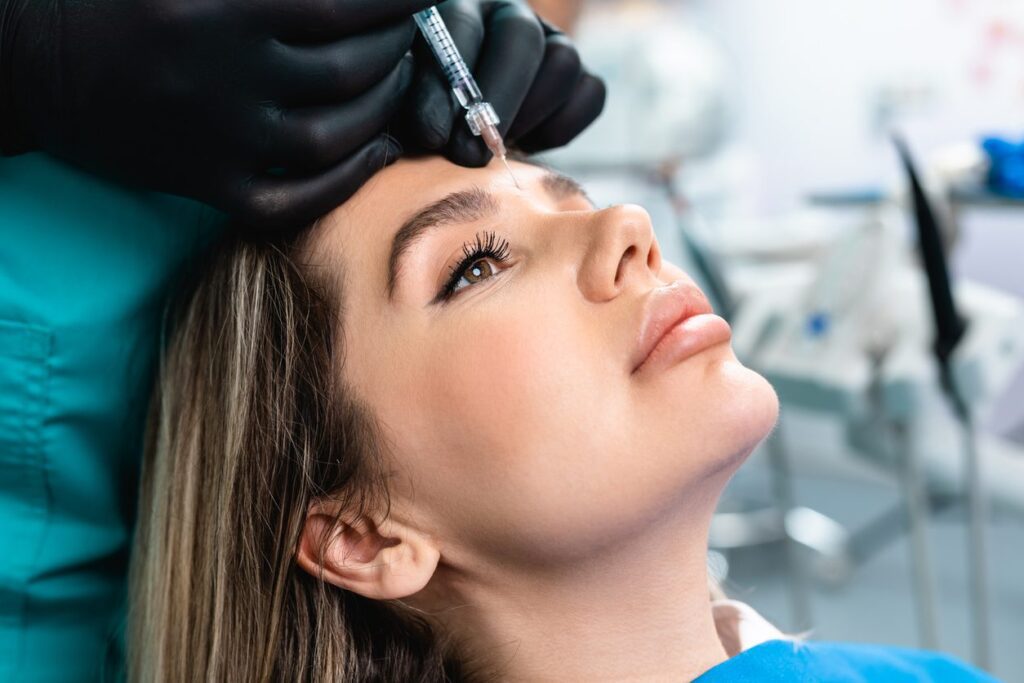
1. Skin Analysis: The Foundation of Any Aesthetics Course
Skin analysis is the cornerstone of aesthetic practice. It requires a keen eye for detail and an in-depth understanding of various skin types and conditions. A thorough skin analysis forms the basis for personalised treatment plans, enabling practitioners to recommend the most effective procedures and products. Mastery of this skill ensures that clients not only receive treatments that address their immediate concerns but also contribute to their long-term skin health.
2. Advanced Techniques
The field of aesthetics is dynamic, with new treatments and technologies constantly emerging. Staying up to date with aesthetic techniques is crucial for any practitioner aiming to provide cutting-edge care. This includes everything from the latest in laser technology and non-invasive procedures to innovative approaches to traditional treatments. By continually practising their skill set, aesthetic practitioners can offer a wide range of services that cater to the evolving needs of their clients.
3. Communication
Effective communication is the bridge between technical expertise and client satisfaction. It involves actively listening to clients’ concerns, clearly explaining treatment options, and setting realistic expectations. Good communication also extends to aftercare, where providing detailed instructions and answering questions can enhance treatment outcomes and client trust. In essence, the ability to communicate effectively is what transforms a treatment into a holistic care experience.
4. The Ability To Improve
The commitment to ongoing improvement in aesthetics is what distinguishes a good aesthetic technician from a great one. This encompasses not only the pursuit of educational opportunities and professional development but also the willingness to receive feedback and adapt accordingly. The ability to self-reflect and seek out ways to enhance one’s practice ensures that practitioners continue to grow in their profession and maintain the highest standards of care.
5. Sanitation
In the world of aesthetics, sanitation and hygiene are non-negotiable. Proper sanitation practices protect both the practitioner and the client, preventing the transmission of infections and ensuring a safe treatment environment. This includes everything from sterilising equipment and using disposable materials when necessary to maintain a clean and organised workspace. Mastery of sanitation protocols underscores a practitioner’s professionalism and commitment to health and safety standards.

The Best Way to Improve Upon These Skills
Improving upon these essential skills in aesthetics involves a combination of continuous education, hands-on experience, and self-reflection. One of the best ways to enhance these competencies is through ongoing professional development courses and workshops that focus on the latest trends, technologies, and methodologies in the field of aesthetics. Such courses not only offer advanced training in specific areas but also provide valuable opportunities for practitioners to network with peers and learn from industry experts. Additionally, engaging in regular practice and seeking mentorship from seasoned practitioners can offer practical insights and hands-on experience that are crucial for mastering complex techniques and understanding nuanced aspects of client care.
Aesthetic specialists should actively request feedback from clients and colleagues to identify areas for improvement and to understand the impact of their services from the client’s perspective. Implementing a process of continuous improvement, where practitioners regularly assess their skills, set specific goals for advancement, and embrace new learning opportunities, can lead to significant enhancements in their practice. By combining the pursuit of knowledge with practical experience and a commitment to excellence, aestheticians can ensure they remain at the forefront of the industry, delivering the highest quality of care to their clients.
Master Your Aesthetic Prowsess By Contacting Fresh Aesthetics
In conclusion, embracing the art of aesthetics training is about much more than acquiring a set of skills. It’s about committing to a standard of excellence that ensures each client receives the best possible care. By mastering these fundamental areas, aesthetic practitioners can build a solid foundation for a successful and fulfilling career in the beauty industry.