
Tattoo removal has become increasingly popular as more people decide to part ways with ink that no longer fits their lifestyle or personal preferences.
One of the most common questions about this process is, “Does tattoo removal hurt?” While the short answer is yes, some discomfort is usually involved, the reality is more nuanced.
Understanding what to expect from tattoo removal, how the pain compares to getting a tattoo, and the various factors that affect your experience can help you make an informed decision.
Understanding Tattoo Removal Pain: What to Expect
The pain experienced during tattoo removal varies significantly from person to person, but it is generally agreed that some discomfort is inevitable.
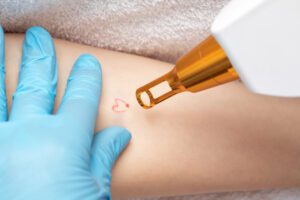
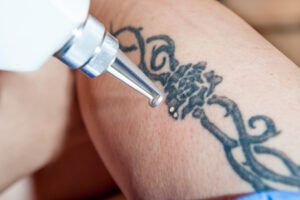
Most modern tattoo removal procedures use lasers, particularly Q-switched lasers, which break up the ink particles in your skin so that your body can naturally eliminate them over time.
As the laser passes over your skin, it emits energy pulses that the tattoo pigment absorbs. Many people describe the sensation as similar to having a rubber band snapped against their skin repeatedly, while others liken it to the sting of a bad sunburn or tiny hot pinpricks.
When considering tattoo removal pain, comparing it to the sensation of getting a tattoo is helpful. Some people find tattoo removal more painful, especially since the laser works quickly and intensely, whereas tattoo application involves slower, rhythmic needlework.
Others report that while tattoo removal hurts, the sessions are shorter and the sharp pain is manageable. Of course, pain tolerance differs between individuals, so your experience may not be the same as someone else’s.
What Does Tattoo Removal Feel Like?
During a typical tattoo removal session, you can expect a quick, sharp discomfort as the laser targets the ink.
The sensation may be more intense on specific body areas, particularly where the skin is thin or close to bone, such as the ankles, wrists, ribs, or fingers.
Areas with more muscle or fat, such as the upper arm or thigh, may be less sensitive. After the session, the treated area may feel sore, similar to a mild burn, and you may notice redness, swelling, or minor blistering, all of which are normal and temporary.
Looking for tattoo removal? Fresh Aesthetics can help. Our experienced team offers safe and effective tattoo removal solutions tailored to your needs. Book your consultation today and take the first step towards clear, confident skin with Fresh Aesthetics.
Factors That Influence Tattoo Removal Pain
Several factors influence how much tattoo removal hurts. The size and colour of your tattoo play a significant role; larger tattoos take longer to treat, which can mean more prolonged exposure to the laser and potentially more discomfort.
Darker ink colours, like black and blue, usually absorb laser energy more efficiently and may respond faster to treatment. Lighter colours, like yellow and green, often require more sessions, increasing the overall pain experience.
The location of your tattoo also matters. Tattoos on bony or sensitive areas are generally more painful than those on fleshier body parts. Additionally, your personal pain threshold and anxiety levels can influence how much pain you perceive during tattoo removal.
Pain Management Options During Tattoo Removal
Fortunately, there are several methods to help manage pain during tattoo removal. Many clinics apply a topical numbing cream to the area before starting the laser treatment. This anaesthetic helps to dull the sensation, making the process more tolerable.
Some practitioners use cooling devices that blow cold air onto the skin during the procedure, reducing pain and swelling.
If you are especially concerned about discomfort, discussing pain management options with your tattoo removal specialist before your appointment is important.
Some people take over-the-counter pain relief medications like acetaminophen beforehand, although it is generally recommended to avoid blood-thinning drugs such as aspirin or ibuprofen, as these can increase the risk of bruising.
What to Expect After Tattoo Removal: Pain and Recovery
After a tattoo removal session, it’s normal to experience some mild pain or discomfort in the treated area. This typically feels like a sunburn and may be accompanied by redness, swelling, or small blisters.
These side effects usually subside within a few days, although the skin may take a week or more to heal completely.
Proper aftercare is essential for minimising pain and avoiding complications. Your specialist will likely advise you to keep the area clean and dry, avoid picking at any scabs or blisters, and protect the skin from direct sunlight.
A cool compress can help reduce swelling and discomfort, and moisturising the area will support healing. Most importantly, following your practitioner’s aftercare instructions carefully will help ensure the best possible results from your tattoo removal.
Frequently Asked Questions About Tattoo Removal Pain
Many people wonder if tattoo removal hurts more than getting a tattoo. The answer depends on your pain tolerance and the area being treated, but it’s common to find the sensations similar or slightly more intense, especially during the brief pulses of the laser.
Another frequent question is how many sessions are required for complete tattoo removal. This varies based on the size, colour, and age of the tattoo, but most tattoos require multiple sessions, spaced several weeks apart, to fully break down the ink.
It’s also important to note that some individuals are more sensitive to pain and may experience more discomfort, while others tolerate the process well.
Is Tattoo Removal Worth the Pain?
For many people, the benefits of tattoo removal outweigh the temporary pain and discomfort. Removing an unwanted tattoo can relieve regret, improve self-confidence, or open up more opportunities for personal expression. If you are looking for an appointment, get in touch!
While the process involves some degree of pain, modern technology and effective pain management options have made tattoo removal safer and more comfortable.
Ultimately, if you’re considering tattoo removal, it’s essential to consult with a reputable specialist who can assess your tattoo, discuss your pain concerns, and outline a treatment plan tailored to your needs.
Understanding what to expect and taking steps to manage pain can make the tattoo removal experience as smooth and successful as possible. If you are looking for tattoo removal in Wolverhampton or Walsall, call us; we are more than happy to help!